- December 9, 2025
- Posted by: Aceget
- Category: Uncategorized
AQI goes up in the winter is the constant problem of Delhi. In the winter Delhi has the worst Air quality or it is a serious concern of people who are residing in Delhi NCR. During the winter in Delhi, the prevailing northwesterly winds carry pollutants from neighboring states, but the primary issue is the low wind speed and calm conditions. That prevent pollutants from separating, leading to severe smog and severe air quality.
Temperature inversion significantly worsens Delhi air pollution in winter “Cool air is held by a warmer layer above, preventing it from rising”. This phenomenon, combined with low wind speeds and dry conditions during winter, as a result pollutants from sources like open waste burning, firecrackers, vehicle emissions, stubble burning, construction & road dust or factories accumulate near the ground, leading to poor air quality and severe smog. It is important to understand what the reasons for these increases to address the problem and protect people’s health.
Major Causes of Winter Air Pollution in Delhi-NCR
Vehicle Emissions: Delhi’s Huge Vehicle Populations
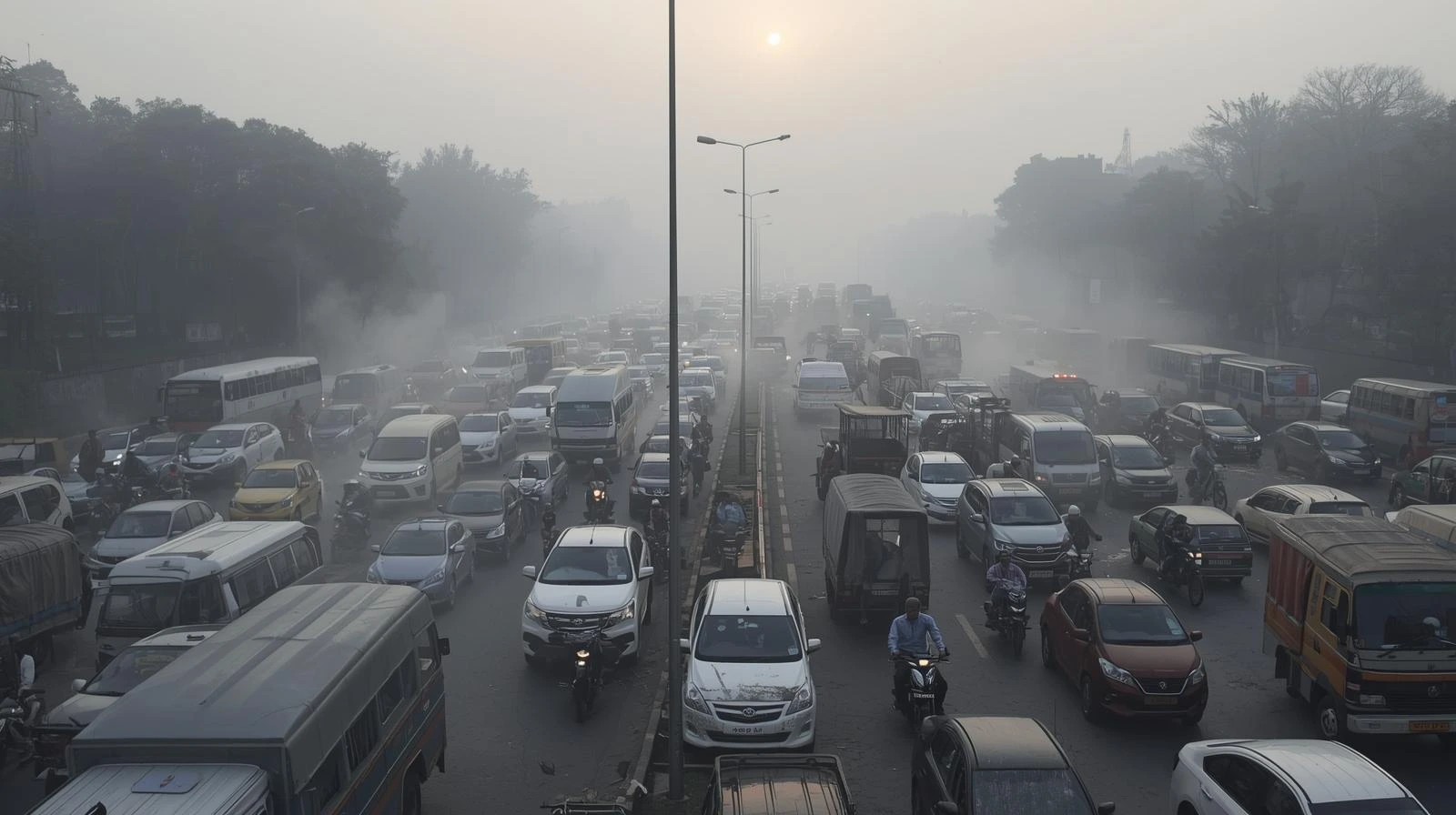
There are a high number of registered vehicles in Delhi/Ncr, these vehicle emissions are the reason for Delhi air pollution. Which cause smog and health problems. These vehicles release carbon dioxide, Methane, carbon monoxide, Nitrogen oxide, Particulate matter, Hydrocarbons, Benzene and formaldehyde. Which are hazardous for Air quality as well as people’s health.
High vehicle count: Delhi has millions of registered vehicles and a very large and growing vehicular population. The city’s huge population and poor public transport infrastructure contribute to a significant reliance on private vehicles, including a large number of two-wheelers. Millions of people travel daily for their job and use Cabs, carpooling, bikes or their own vehicles. These vehicles are responsible for a large percentage of PM 2.5 and a severe air quality.
Stubble Burning In Punjab & Neighboring States
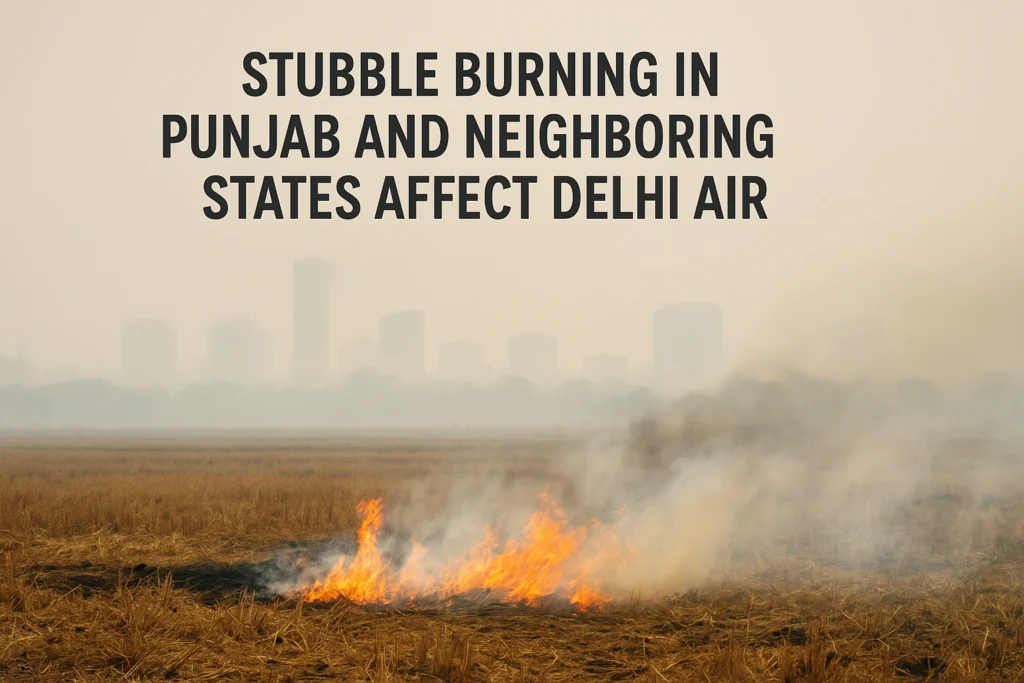
Our neighboring states like Punjab, Haryana and Uttar Pradesh burn their stubble, which contributes to air pollution, especially in winters. This is the easiest and zero cost way to clear an entire field as the crop residue left on the field is dry and easily catches the fire. While it offers a quick solution, it also causes severe air pollution by releasing toxic gases and particulate matter that lead to smog, harming human health, degrading soil fertility, and contributing to climate change. It releases methane, nitrogen oxide and ammonia to create a deadly combination which results in the highly polluted smog and increases the Delhi AQI in winter.
Continue Construction Activities and Road Dust
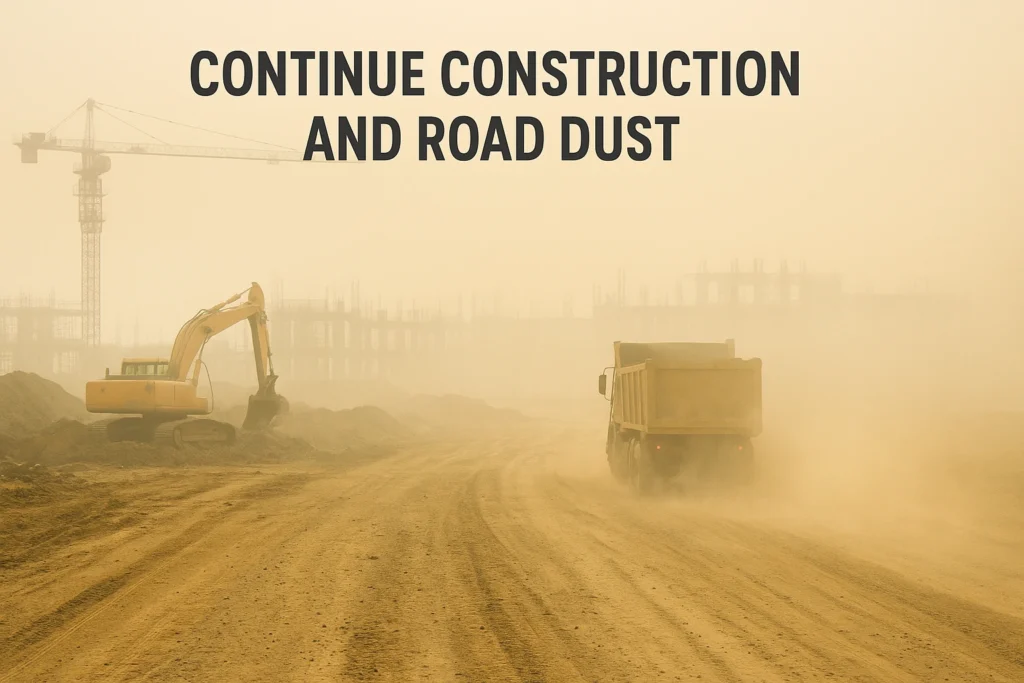
There are a number of construction projects going on in Delhi/NCR, this is one of the key factors for high levels of air pollution in Delhi NCR. There are lots of infrastructure development works going on, like construction of metro networks, highways, bridges, commercial establishments. Construction and demolition activities generate a lot of dust which makes it the worst.
Road dust is a primary source of airborne PM, which is responsible for a significant percentage of poor air pollution. The cause of this road dust is demolition, material handling, and the movement of heavy machinery on roads, the abrasion of road materials, and the resuspension of settled soil and other particles by vehicle movement. The conditions of the road are not good which exacerbate this issue.
Industrial & Power Plant Emissions
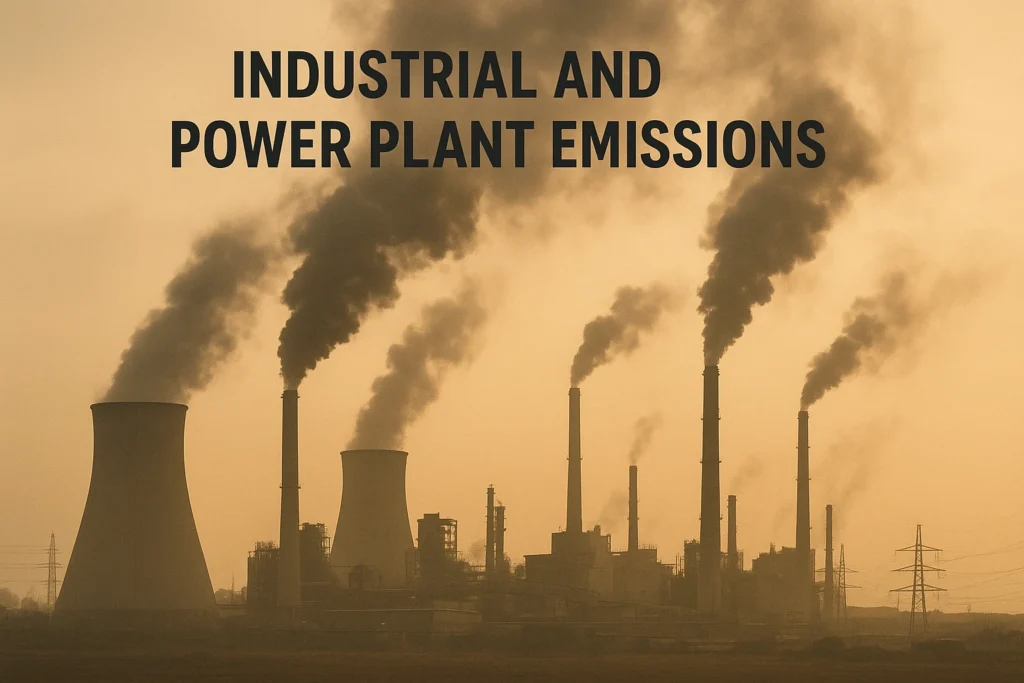
Industrial and power plant emissions also contribute to poor AQI in Delhi is emissions from industries and coal-burning power plants. It releases harmful pollutants like sulfur dioxide, nitrogen oxides, and particulate matter, which accumulated with air and became a deadly combination which increased AQI in Delhi and nearby cities. Delhi has the highest collection of small industries in India. There are approx more than 3000 industries which are operating in Delhi-Ncr region. The emission coming from these factories added to the poor air quality. This issue is made worse by ongoing arguments over regulations and the impact of seasonal weather changes, particularly in 2025. Despite a small improvement in the average air quality compared to last year, the pollution levels remain high and continue to pose a risk to human health.
Open Waste Burning
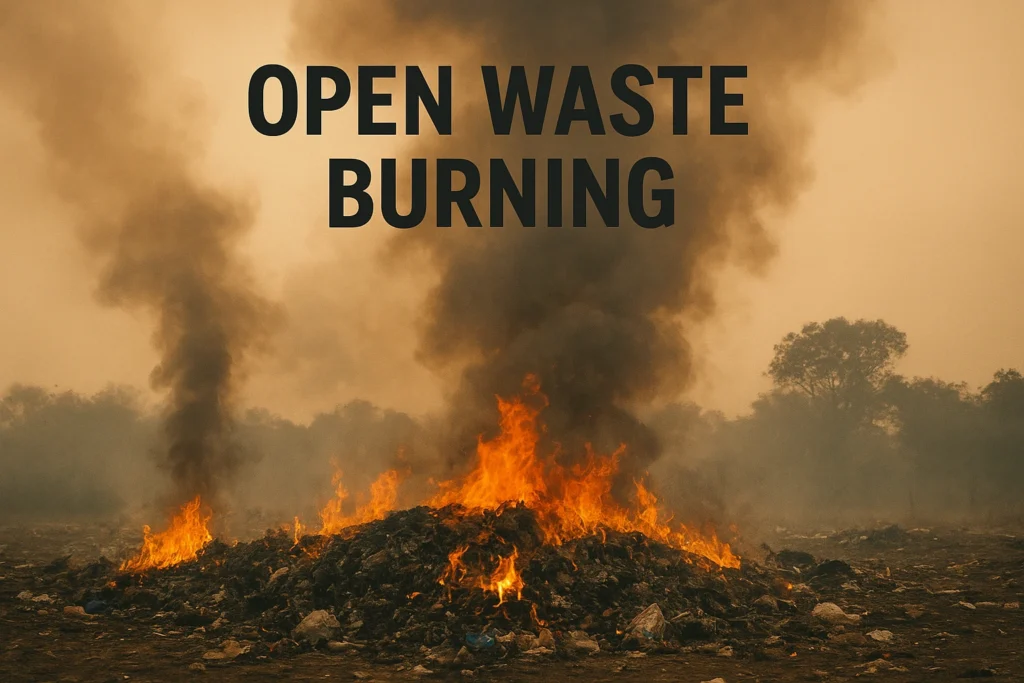
Open Waste Burning is often seen as a quick and convenient way to get rid of visible waste and maintain a quick and clean surrounding, often as part of community clean-up efforts. Due to lack of proper waste management infrastructure people burn their waste in the open area. Waste burning is a threat to people and the environment. The toxic pollutants released cause severe health problems and degrade air quality far and wide. This does not end; it is resulting black carbon emissions which act as a powerful short-lived climate pollutant, with a warming effect 5,000 times that of CO2. This waste burning releases harmful and toxic pollutants, which cause serious health problems eg: respiratory illness and cancer as well.
To mitigate this practice it requires a waste collecting system, raising people’s awareness about its harmful effects.
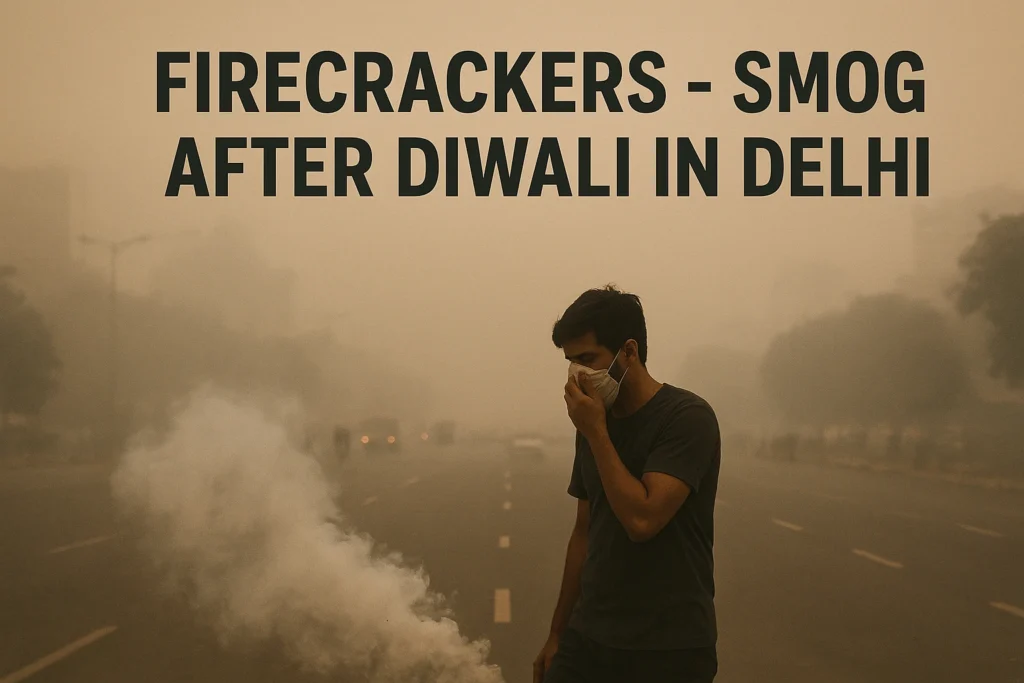
Firecrackers: Diwali & Wedding Season Pollution
In the time of diwali and wedding seasons people used firecrackers. It keeps going on for a couple of months and causes the worst air quality in Delhi and nearby areas. Bursting crackers increase heat, carbon dioxide and many toxic gases in the atmosphere. Which causes a rise in the temperature of the earth and polluted air quality. These firecrackers turn the city’s air quality from ‘poor’ to ‘severe’ or ‘hazardous’ almost overnight. Leading to an increase in respiratory, heart problems, breathing problems, eye allergies and other health issues. Vulnerable populations, such as children, the elderly, and people who have pre-existing conditions, suffer the most.